Regenerative Real Estate
Invest in places designed for people to thrive.
Our real estate strategy supports qualified land and development projects that connect healthier living, ecological stewardship, and viable project economics.
What fits
A place worth building, with a plan that can work.
Land acquisition alone is not a complete investment case. Each project needs demand, feasibility and a capital plan.
01
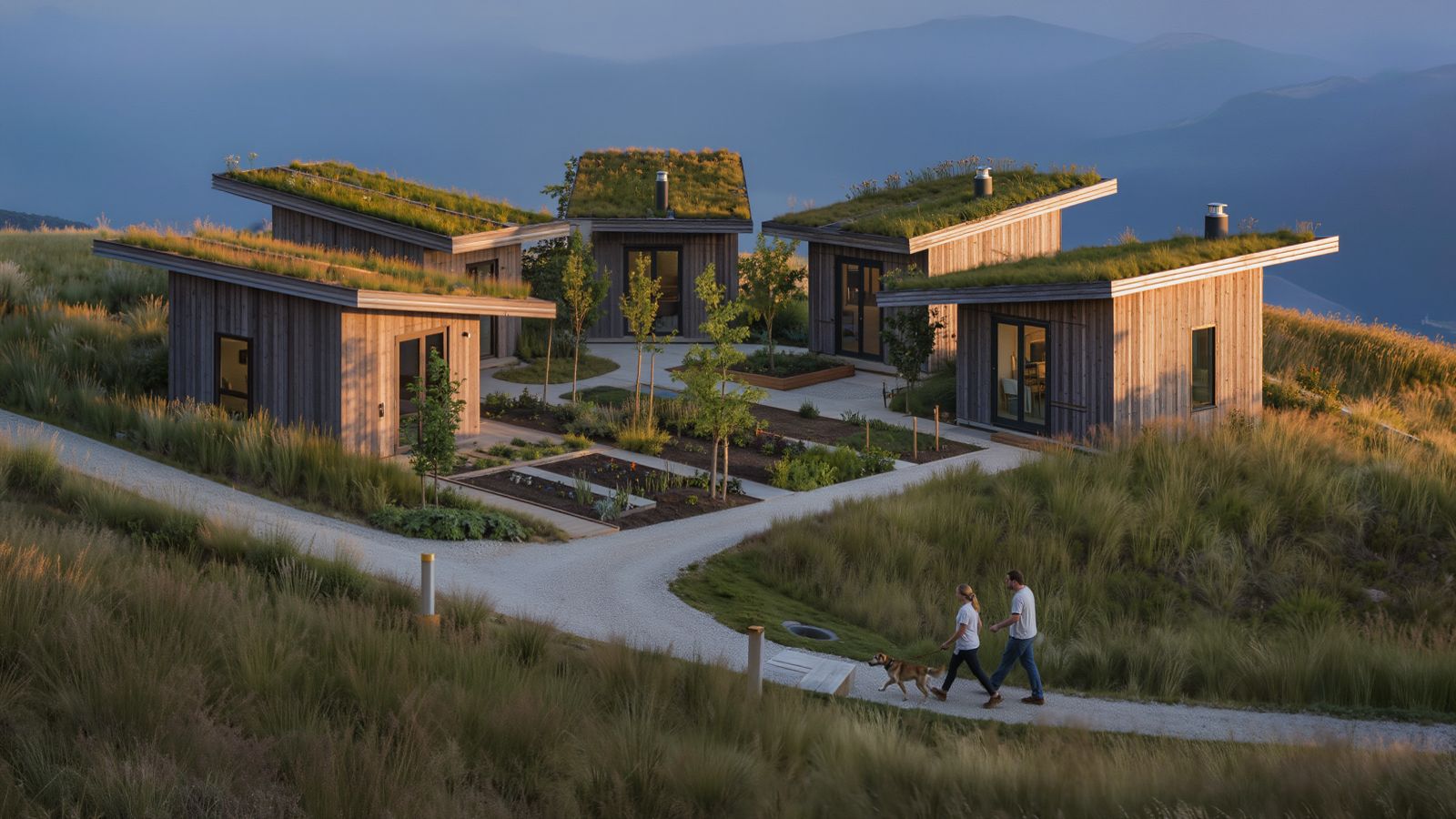
Regenerative communities and residences
Homes and neighborhoods designed around health, ecology and long-term stewardship of the land.

02
Wellness hospitality and retreat environments
Places where a wellness experience and a sound hospitality business support each other.
03
Related infrastructure and amenities
The utilities, shared facilities and services that support a project's economics rather than decorate it.
How a project becomes investable
Five milestones, in the order that protects capital.
Each milestone protects capital before the next is funded.
- 01
Assess the site and demand
- 02
Confirm a feasible development and capital plan
- 03
Secure required rights and approvals
- 04
Fund and oversee defined phases
- 05
Operate or realize the asset
How we evaluate a regenerative project
What we need to see before capital moves.
For a parcel with a regenerative community concept, we look for:
- evidence that people want to live or stay there, at prices the plan assumes
- a development plan a lender or partner could underwrite
- the approvals path, with the unknowns named
- phases sized to defined milestones, with reserves
- a credible path to income, refinancing or sale
Financing matched to the project
Each project has its own capital plan.
Project-specific vehicles, phased deployment, appropriate debt or equity where available, reserves, and a defined source of potential repayment or realization.
| Stage | Typical capital use | Potential source of repayment or realization |
|---|---|---|
| Land | Site control, studies, approvals | Later-stage financing or sale of an entitled site |
| Development | Infrastructure and construction in phases | Sales or leases of completed phases, refinancing where feasible |
| Operating | Working capital and amenities | Property income, refinancing, or asset sale |
Each project's documents describe its own structure.
What investors should understand
The opportunity includes development risk.
Approvals may be delayed or refused. Construction can cost more and take longer than planned. Demand may fall short of the plan. Financing may not be available on expected terms, or at all. Real estate is illiquid, and execution depends on the people and partners involved.
Any investment could lose value, including the full amount invested.
Explore regenerative real estate with us.
The call explores your goals and potential fit. It does not reserve a home or commit capital. Resident inquiries belong on the relevant project's own site.
Apply to Invest